AI Built for Speed Is Narrowing Research Discovery, Researchers Warn
UNITED KINGDOM / AGILITYPR.NEWS / February 23, 2026 / As artificial intelligence becomes embedded across academic and professional research, a growing concern is emerging. While AI tools are helping researchers reach answers faster, many are narrowing the scope of inquiry in the process.
Researchers and technologists are increasingly describing a phenomenon known as search-first AI. Systems optimised for speed and efficiency encourage users to converge on answers quickly, often at the expense of the broader exploration where new ideas and breakthroughs typically form.
“When research workflows prioritise efficiency too early, they create tunnel vision,” said Imran Chughtai, Founder and CEO of ResearchCollab.ai. “You arrive at an answer faster, but you miss the wider landscape that gives that answer meaning.”
This shift is changing how research questions are formed. Instead of exploring multiple perspectives and disciplines, researchers are being guided down increasingly narrow paths, reinforcing existing assumptions rather than challenging them.
ResearchCollab.ai, a research platform built specifically around discovery rather than retrieval, has been examining this trend through early-access usage, researcher interviews, and exploratory workflow testing. The company argues that the real strength of AI in research lies not in speed alone, but in its ability to reveal patterns across large and diverse bodies of information.
“AI is exceptionally good at recognising relationships humans might not immediately see,” Chughtai said. “The risk is treating AI as a faster search engine. The real power is not speed but lateral thinking.”
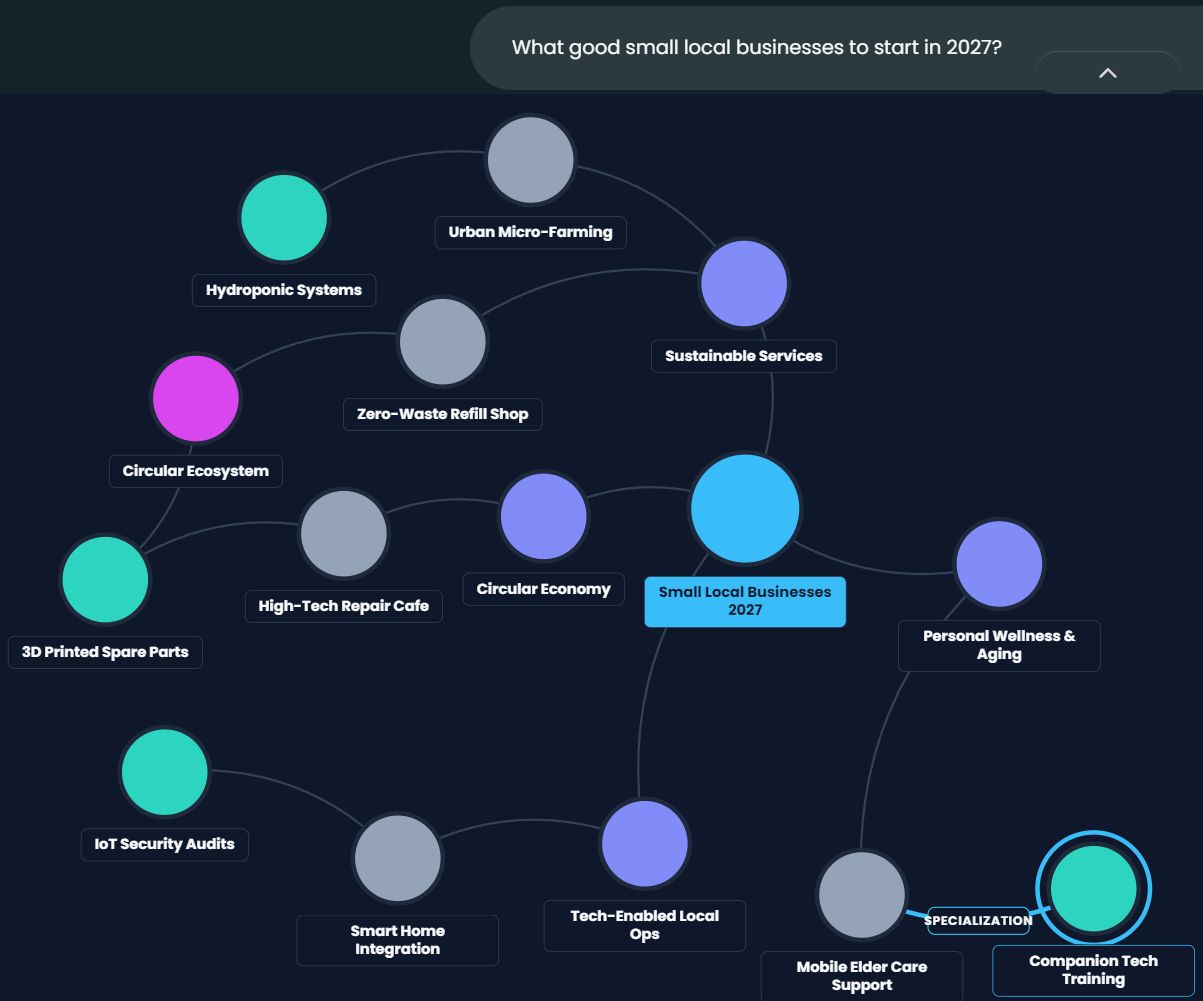
Instead of returning ranked lists or single outputs, discovery-first research workflows allow researchers to visualise how ideas intersect across disciplines. By mapping concepts and themes rather than forcing early conclusions, researchers can identify gaps, overlaps, and under-explored connections that would otherwise remain hidden.
In one exploratory test, an open-ended question about future local business opportunities surfaced connections spanning sustainability, healthcare, urban systems, and emerging technologies. Rather than producing a definitive answer, the system revealed how these domains interlinked, prompting new hypotheses and lines of inquiry that traditional search-led approaches rarely expose.
This kind of lateral exploration reflects how innovation often occurs in practice. Breakthroughs frequently emerge at the boundaries between fields, where ideas from biology inform business strategy or architectural thinking influences software design.
According to ResearchCollab.ai, the challenge facing researchers is not a lack of information, but a lack of visibility into how information connects.
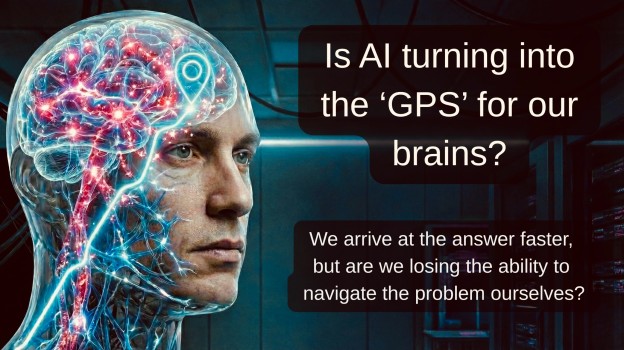
“Too many AI tools behave like a GPS,” Chughtai said. “They decide the route for you. Real discovery happens in the detours.”
The platform is designed to support early-stage research, education, policy development, and strategic foresight, where forming the right questions is often more valuable than reaching fast conclusions. By encouraging researchers to explore broadly before narrowing their focus, discovery-first AI may help counter the growing tendency toward premature convergence in research.
As AI continues to reshape how knowledge work is done, ResearchCollab.ai argues that research discovery, not just speed, will become a defining capability for innovation in the years ahead.
For more information, visit researchcollab.ai
Contacts