Gen Z Is Rewriting Online Discovery, But Most Retailers Aren’t Keeping Up Research Indicates
UNITED KINGDOM / AGILITYPR.NEWS / August 19, 2026 / Gen Z is abandoning traditional search in favour of visual and conversational discovery, forcing retailers and travel brands to rethink how customers find products and experiences online.
Data cited in a new analysis from Firney shows that 62% of Gen Z and Millennials prefer visual search, while 43% of Gen Z now begin product discovery on platforms such as TikTok rather than Google. Around 70% are also using AI tools at some stage in the shopping journey.
The shift is exposing a growing gap between how digital platforms are built and how younger audiences actually behave.
For years, websites have been designed around keyword search, structured navigation and filters. But Gen Z users are increasingly bypassing these systems altogether, relying instead on images, short-form video and conversational prompts to express intent.
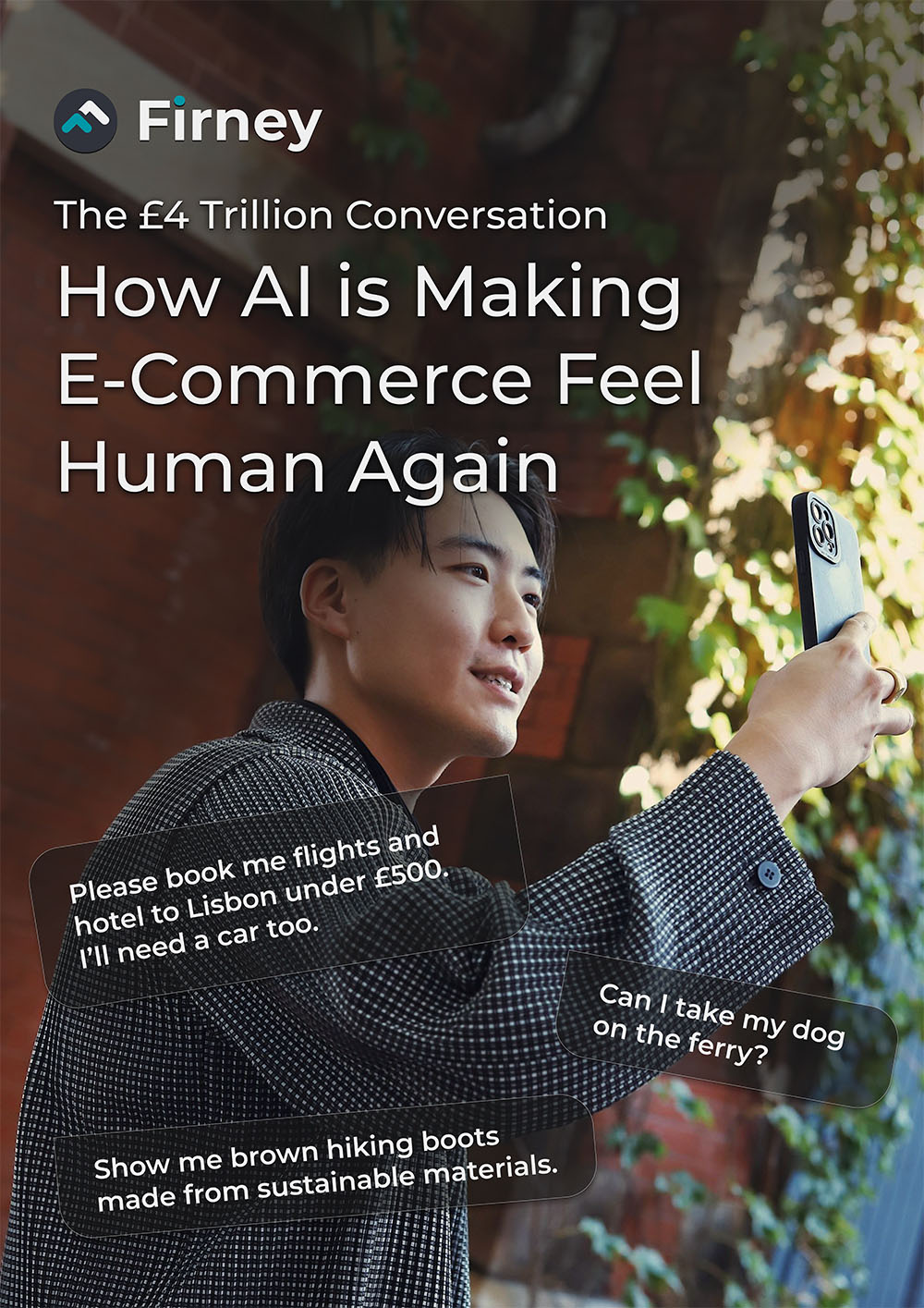
In practice, this creates a very different starting point. Instead of typing “black running shoes”, users are more likely to upload an image, reference a look or ask a question such as “something like this but for winter”. Crucially, they expect immediate, relevant results.
At the same time, discovery is moving away from brand-owned platforms. Increasingly, it happens earlier in the journey on social channels or through visual content. By the time a user reaches a website, expectations have already shifted. They are looking to be guided, not asked to start again.
Most retail and travel platforms, however, remain built around structured search and fixed navigation. These systems assume users arrive with clear intent and precise queries. For a generation that explores through ideas, images and prompts, that assumption no longer holds.
This is not just a UX challenge but a commercial one: as discovery increasingly happens off-site, websites risk losing influence over the customer's final decision; either because they aren't cited within LLM answers, or because they fail to respond quickly and intuitively to visitors arriving further down the funnel.
Marc Firth, CEO and co-founder of Firney, said the shift requires a fundamental rethink of how digital experiences are designed.
“Gen Z thinks in ideas, images and questions,” he said. “If a website can’t respond to that, it’s not just frustrating, it’s commercially ineffective.”
For retailers and travel brands, this changes the role of the website. It is no longer where discovery begins, but where it continues.
“When a customer arrives on site having started their product discovery on an LLM or an influencer-led journey, they are looking to verify what they’ve been told is accurate; meaning items like reviews, testimonials and other social proof need to be higher and more visible on the page.”
That means your website needs to handle both visitors who are starting their product discovery, plus those who arrive informed on what they need to buy and helping them move forward without friction.
“The brands that win will be the ones that understand intent quickly and guide people to decisions in a natural way,” Firth added.
The analysis points to a future defined by digital experiences that interpret intent, respond conversationally, personalise in real time and look great, all within seconds. As consumer behaviour continues to shift, this kind of experience is expected to play a central role in how customers find, evaluate and choose what to buy or book.
For more information, please visit https://www.firney.com.
Contacts