L.A. Care Association Secures $500,000 Grant to Unlock Licensed Beds for Homeless Angelenos With Mental Illness
LOS ANGELES, CA / AGILITYPR.NEWS / May 20, 2026 / The Licensed Adult Residential Care Association (LARCA) has been awarded $500,000 in Technical Assistance Funding to launch a pilot project to connect hundreds of underutilized licensed care facility beds to Los Angeles County's affordable housing and homelessness prevention system, Bennie Tinson, Executive Director, announced.
"Four years ago, I was hired with a mandate to organize and strengthen licensed care as a cornerstone of the county's housing and health systems," Tinson explains. "This funding gives us the resources to finally connect those dots, and to make a meaningful dent in one of the most urgent crises facing Los Angeles."
The initiative, called the Community Marketplace Hub, will provide coordinated technical assistance to state-licensed Adult Residential Facilities (ARF) and Residential Care Facilities for the Elderly (RCFE) operators across Los Angeles County.
The Association’s goal is to activate available capacity, streamline placement referrals and align public funding streams (including Medi-Cal's CalAIM program) and the state's Assisted Living Waiver in order to serve more low-income Angelenos living with serious mental illness, co-occurring substance abuse disorders and physical disabilities.
ABOUT THE PILOT PROJECT
LARCA represents more than 440 state-licensed ARF and RCFE providers across Los Angeles County. Together, these facilities house and care for thousands of low-income residents, a population comprised of disproportionately high-risk homeless, who often cycle through hospitals, jails, and emergency shelters when stable housing is unavailable.
The Community Marketplace Hub will address that gap by:
• Activating underutilized licensed ARF/RCFE capacity and increasing placement rates across the county.
• Reducing discharges to the homeless from hospitals, county jails, and other institutions.
• Increasing facility participation in Medi-Cal (CalAIM), the Assisted Living Waiver (ALW) and other state and federally funded programs.
• Establish a scalable, replicable model for coordinated housing access that can be adopted by other counties.
The pilot program is designed to develop a model that can be replicated across California, addressing a gap long identified by housing advocates.
BACKGROUND
LARCA was founded to represent state-licensed ARF and RCFE providers in Los Angeles County, facilities that serve adults with serious mental illness, developmental disabilities, physical health needs and co-occurring conditions. The Association has grown to more than 440 member facilities since its founding, making it one of the largest organized voices for licensed residential care in the region.
Los Angeles County continues to face one of the most severe homelessness crises in the United States, with a significant share of those experiencing homelessness living with untreated or undertreated behavioral health conditions.
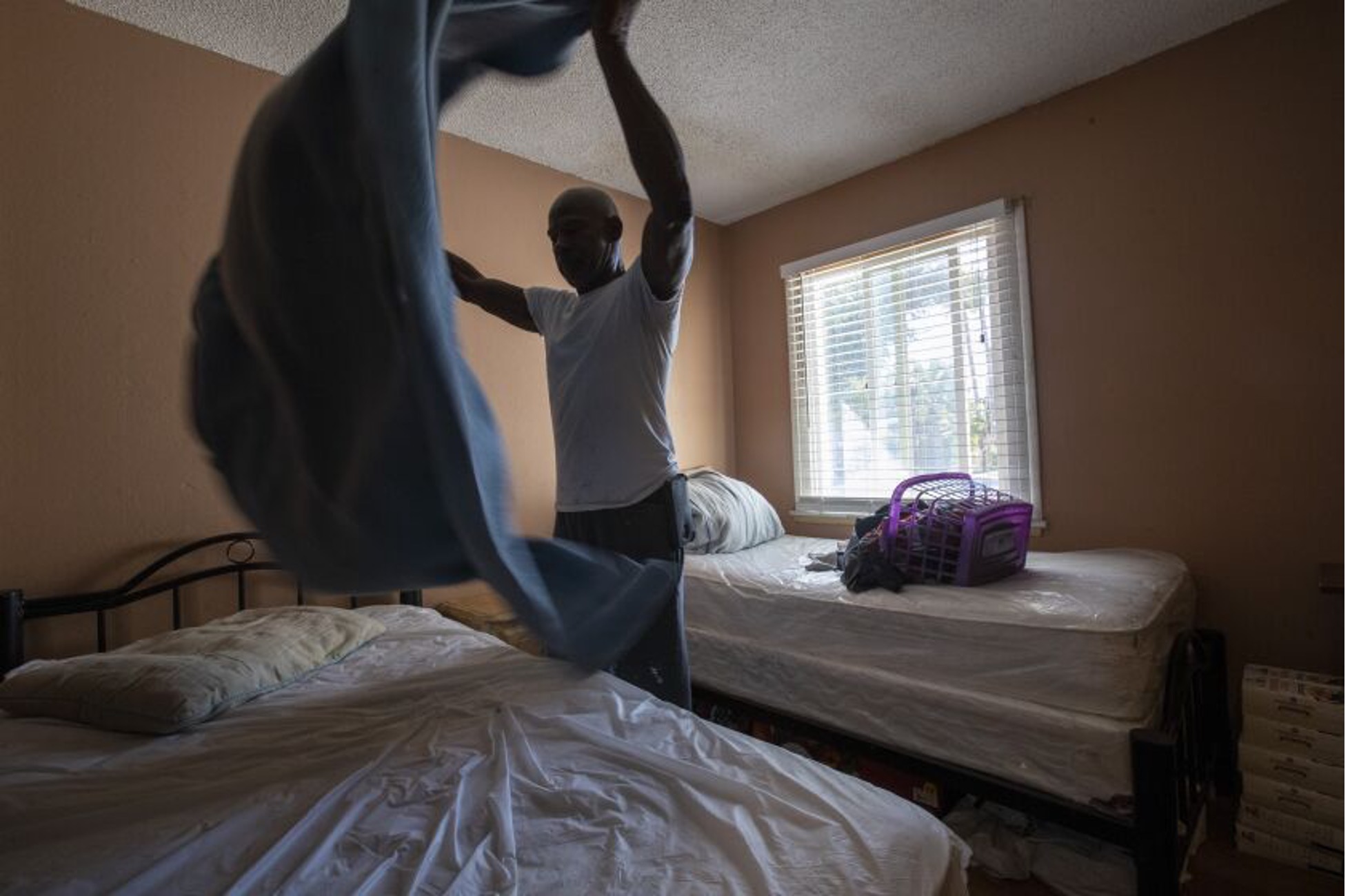
Photo caption: An individual at an Adult Residential Facility makes his bed at a residential facility in the San Fernando Valley.
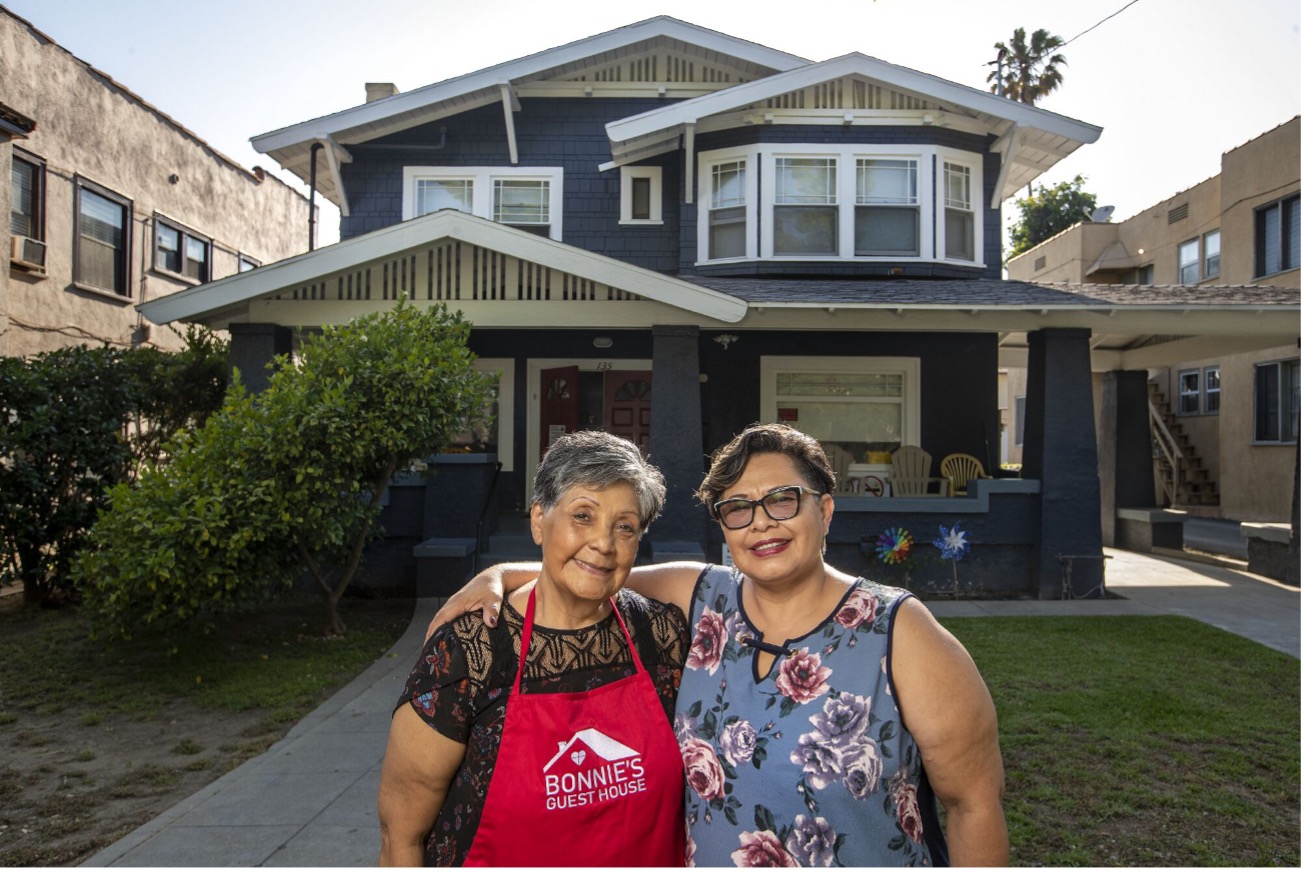
Photo caption: LARCA Adult Residential Facility (ARF) and Residential Care Facility for the Elderly (RCFE) operators.

Photo caption: "I am grateful for this opportunity to improve housing and care for thousands of Angelenos and to contribute a meaningful solution to the County's response to the homelessness crisis," said Bennie Tinson, Executive Director of LARCA. He is running for a seat on the Compton City Council, District 2.
The Licensed Adult Residential Care Association (LARCA) is the leading advocacy and support organization for state-licensed Adult Residential Facilities (ARF) and Residential Care Facilities for the Elderly (RCFE) in Los Angeles County. LARCA's 440+ member facilities provide housing and supportive care for thousands of low-income Angelenos living with serious mental illness, co-occurring disorders, developmental disabilities and physical health needs. For more information, visit LARCALA.org.
Contacts