Study: Conversational AI search converts up to 3x higher as keyword-based journeys lose effectiveness
UNITED KINGDOM / AGILITYPR.NEWS / May 05, 2026 / New industry analysis suggests conversational AI search is delivering significantly higher conversion rates than traditional keyword-based journeys, raising questions about the future effectiveness of search-led marketing strategies.
As search behavior shifts toward visual, social and AI-driven discovery, marketers relying on keyword optimization may face diminishing returns. The findings point to a potential structural change in how users express intent and how brands are surfaced in search environments.
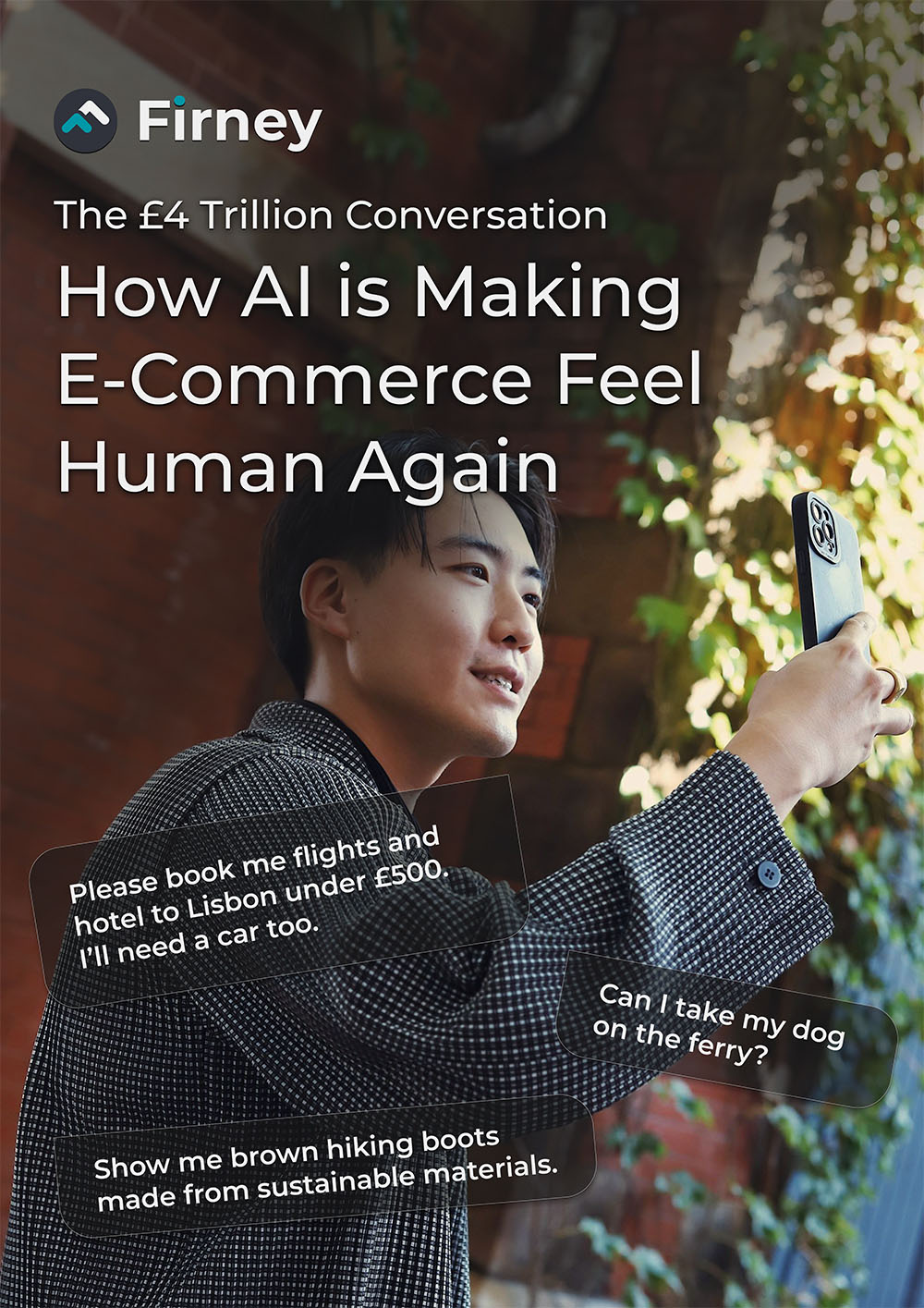
The report, entitled The £4 Trillion Conversation from Firney, aggregates industry data and case studies examining how consumers are interacting with search and discovery tools.
By the numbers:
- Users engaging with AI-powered search convert at rates 200% to 300% higher than those who do not (Commercetools data cited in the report)
- Site search users spend 2.6x more than passive browsers
- Conversational guidance can reduce returns by up to 78%
- 43% of Gen Z begin product searches on TikTok rather than Google
- 62% prefer visual search over text-based queries
- Around 70% use AI tools during the shopping journey
The analysis argues that traditional search models built around keywords and structured queries are becoming less aligned with how users express intent. Increasingly, consumers are using images, video and natural language prompts rather than precise keyword searches.
At the same time, conversational AI systems are beginning to interpret intent, compare options and guide decisions within a single interaction, reducing reliance on traditional search journeys.
This shift could signal an “optimization ceiling” for keyword-led search strategies, where further gains from SEO and paid search become harder to achieve without adapting to new discovery behaviors.
As discovery fragments across social platforms and AI-driven interfaces, search marketers may need to rethink how visibility is earned, how intent is captured and how performance is measured beyond traditional keyword rankings.
“Marketers have spent years optimizing for keywords, but consumers are increasingly expressing intent through images, video and conversation,” said Marc Firth, CEO and co-founder of Firney. “That changes how search works and how brands are surfaced.”
What to watch:
- Growth of AI-powered search interfaces
- Increased role of visual and social discovery
- Pressure on traditional SEO and paid search performance
For more information, visit: https://www.firney.com.
Contacts