The Quiet Comeback of Manual Handling in Automated Warehouses
UNITED KINGDOM / AGILITYPR.NEWS / January 27, 2026 / While automation continues to dominate headlines across the logistics sector, Midland Pallet Trucks is drawing attention to a less flashy but still fundamental reality of the warehouse floor: manual handling equipment such as pallet trucks, stacker trucks and lift tables.
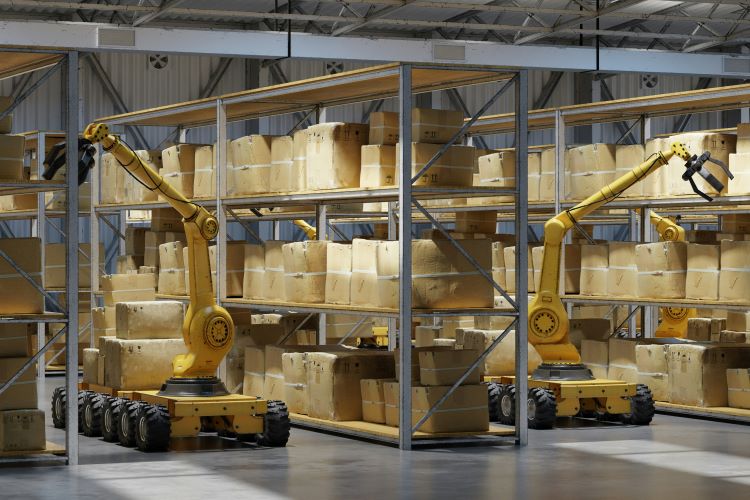
While robotics and automated systems are transforming large parts of fulfilment, pallet trucks remain a critical part of even the most technologically advanced operations. Highly automated warehouses are typically designed around predictable flows and standardised processes.
In practice, however, day-to-day operations are rarely so neat. Unexpected deliveries, mixed pallet sizes, damaged loads and last-metre movements all require human intervention. In these moments, manual handling equipment provides the adaptability that fixed systems cannot.
This reliance on pallet trucks is becoming more visible as automation scales up. Rather than disappearing, manual handling has quietly evolved into a supporting layer that allows automated environments to function smoothly. Pallet trucks are frequently used to bridge gaps between automated zones, manage exceptions, and support maintenance or reconfiguration work without bringing entire systems to a halt.
This balance is particularly important in the UK market, where many warehouses operate with constrained space, legacy layouts or multi-purpose facilities. Fully automating every process is often impractical, both financially and operationally, for small and medium businesses. As a result, warehouses are increasingly blending automation with dependable manual handling to maintain throughput without sacrificing control.
Phil Chesworth, Managing Director at Midland Pallet Trucks, believes the conversation around automation often overlooks this reality.
“There’s a perception that once a warehouse automates, pallet trucks become redundant, but that’s simply not the case,” he said. “Even the most advanced sites still need flexibility. Manual handling equipment is what allows teams to deal with the unexpected quickly and safely, without disrupting automated flows. In many cases, it is the combination of advanced systems and reliable manual handling that delivers the strongest performance.”
Rather than seeing automation and manual handling as opposing forces, leading operators are recognising the value of using both in tandem. The result is a more adaptable operation that can respond to changing volumes, seasonal peaks and evolving customer demands.
For more information, visit https://www.midlandpallettrucks.com.
Contacts