Why Warehouse Bottlenecks Often Start at Goods-In, Not Dispatch
UNITED KINGDOM / AGILITYPR.NEWS / May 26, 2026 / Warehouse congestion is often associated with dispatch areas and outbound pressure, particularly during busy retail periods. This is not without reason, but according to Midland Pallet Trucks many of the delays affecting warehouse performance now begin much earlier in the process - at goods-in.
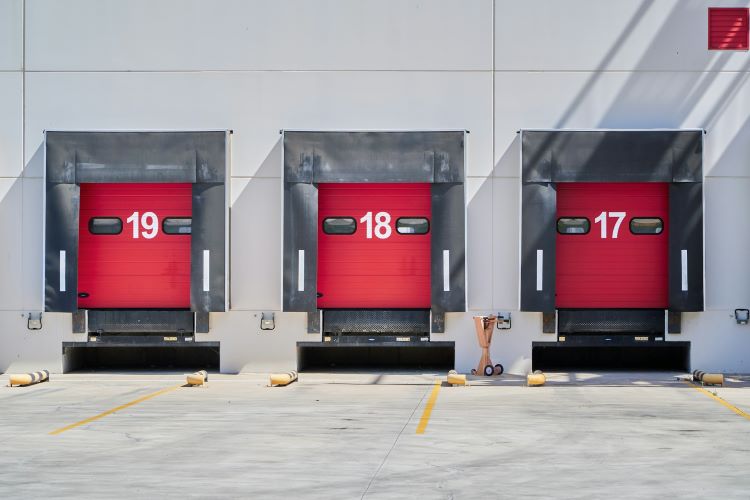
As delivery schedules become less predictable, receiving areas are increasingly struggling to cope with uneven inbound flow. Instead of stock arriving steadily throughout the day, warehouses are dealing with clusters of deliveries landing within short timeframes, often followed by quieter periods. The result is mounting pressure at the point where goods first enter the building.
For many operators, goods-in areas were designed around consistency. Vehicles arrived at relatively predictable intervals, stock could be processed methodically, and pallets moved smoothly into storage. That rhythm has changed immensely in recent years as supply chain disruption, traffic delays and compressed delivery windows have made inbound timing harder to manage.
Phil Chesworth, Managing Director at Midland Pallet Trucks, said the impact is becoming more visible across the warehouse floor.
“People tend to focus on dispatch because that’s where deadlines are most obvious,” he explained. “But if goods-in becomes congested, the rest of the warehouse spends the day trying to recover from it - and it inevitably affects everything else.”
When multiple deliveries arrive together, unloading areas can quickly become crowded. Pallets may need to be temporarily staged in walkways or holding zones while teams work through incoming stock. This increases internal movement and creates additional handling steps before products even reach their intended storage location.
The effect is cumulative. Operators spend more time repositioning pallets, routes become less direct, and equipment is required to work harder in tighter spaces. Even relatively small delays at goods-in can ripple through picking, replenishment and dispatch later in the day.
Chesworth added that materials handling equipment plays an important role in maintaining flow under these conditions. “When inbound pressure increases, smooth movement becomes critical,” he said. “Reliable manual handling equipment, such as pallet trucks, stacker trucks and lift tables, helps prevent receiving areas from becoming blocked while stock is waiting to be processed.”
For more information, visit https://www.midlandpallettrucks.com.
Contacts
Dakota Digital
socialmedia@dakotadigital.co.uk