Why Warehouses Are Struggling with Battery Storage Space
UNITED KINGDOM / AGILITYPR.NEWS / June 02, 2026 / As more warehouses transition towards electric materials handling equipment, many operators are discovering a challenge they did not fully anticipate: where to charge and manage it all. As adoption increases, operators are finding that battery management is becoming part of day-to-day warehouse planning rather than a secondary concern.
According to Midland Pallet Trucks, the steady growth of electric pallet trucks, stackers and lift tables is beginning to place unexpected pressure on warehouse layouts - particularly in facilities that were never designed around dedicated charging infrastructure.
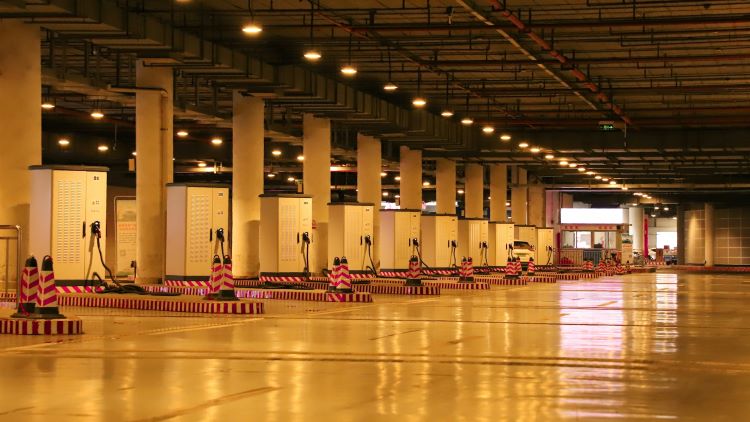
For years, battery charging areas occupied relatively little space in many warehouses. Today, that is changing quickly. As electric equipment becomes more common, operators are having to allocate larger sections of the warehouse floor to charging zones, battery storage and safe access routes.
The issue is especially noticeable in older buildings where space is already limited. Warehouses designed decades ago around manual equipment or smaller electric fleets are now trying to accommodate multiple charging points without disrupting daily operations.
Phil Chesworth, Managing Director at Midland Pallet Trucks, said the move towards electric equipment is changing how warehouses think about floor planning. “A lot of businesses focused on the operational benefits of electric handling equipment, which are significant,” he explained.
“But what many are now realising is that charging infrastructure takes planning too. You can’t simply add more electric equipment without thinking about where it lives when it’s not in use.”
Charging zones are becoming increasingly busy parts of the warehouse. Equipment may need to rotate through charging cycles during long shifts, while operators also need safe access to avoid congestion or unnecessary movement.
In some facilities, charging areas have gradually expanded into walkways, staging zones or underused corners of the building. Ventilation is another growing consideration. As battery usage increases, warehouses are paying closer attention to airflow and heat build-up around charging areas - particularly during warmer months or in enclosed spaces with limited circulation.
“Most warehouses weren’t originally built around the idea of large-scale electric fleets,” Chesworth said. “Now businesses are trying to integrate charging areas into already busy operations, and that creates pressure on space and workflow.”
For more information, visit https://www.midlandpallettrucks.com.
Contacts
Dakota Digital
socialmedia@dakotadigital.co.uk